Electric resistance heating is 100% energy efficient in the feeling that all the inbound electrical power is transformed to warmth. Nonetheless, many electricity is produced from coal, gas, or oil generators that convert just around 30% of the fuel's energy right into electricity. As a result of electrical power generation as well as transmission losses, electric warmth is typically extra pricey than warm produced in residences or organizations that make use of burning home appliances, such as gas, lp, and oil heating systems.
If power is the only option, heat pumps are better in the majority of climates, as they easily cut electrical power usage by 50% when compared to electric resistance heating. The exception remains in completely dry climates with either hot or combined (cold and hot) temperature levels (these environments are located in the non-coastal, non-mountainous part of California; the southern pointer of Nevada; the southwest edge of Utah; southern and western Arizona; southerly and eastern New Mexico; the southeast edge of Colorado; as well as western Texas). For these completely dry environments, there are so couple of heating days that the high price of home heating is not financially considerable.
Electric resistance heating may additionally make good sense for a residence addition if it is not practical to extend the existing heater to supply warm to the new enhancement.
Kinds of Electric Resistance Heaters
Electric resistance warmth can be provided by central forced-air electrical heaters or by heaters in each area. Space heating units can include electric wall heating systems, electric wall surface heating systems, electric radiant heat, or electrical space heaters. It is likewise feasible to make use of electrical thermal storage space systems to avoid heating during times of peak power demand.
1) Electric Furnaces
Electric heaters are a lot more costly to run Furnace Repair Vaughan - furnace-repair-vaughan.com than various other electric resistance systems as a result of their air duct warmth losses and also the extra energy needed to disperse the heated air throughout your house (which is common for any kind of heating system that makes use of air ducts for circulation). Heated air is delivered throughout the residence with supply air ducts and also went back to the heater via return air ducts. If these ducts go through unheated locations, they lose several of their warm via air leak in addition to warmth radiation and also convection from the air duct's surface.
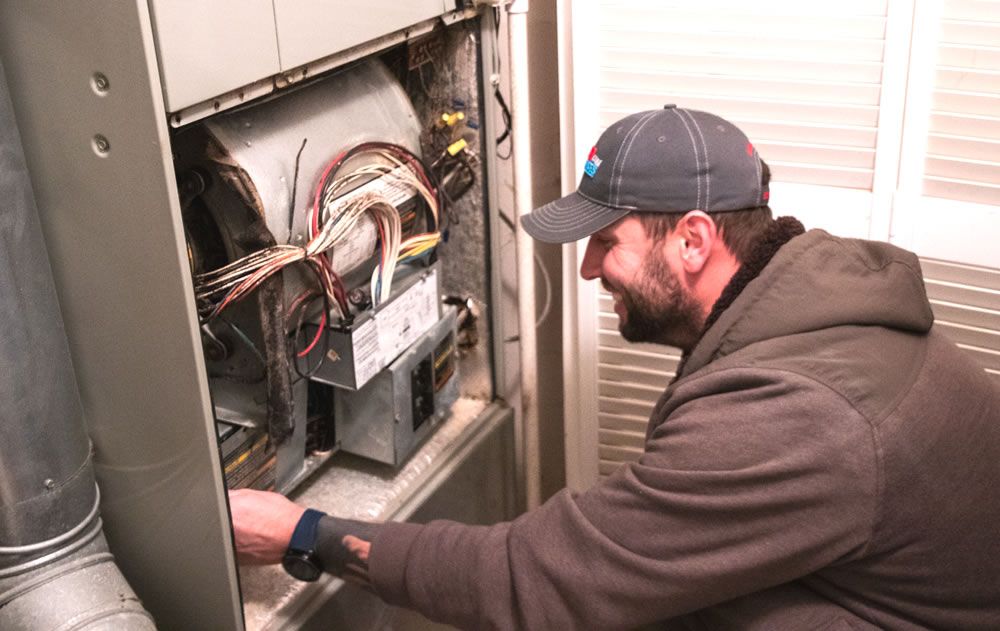
Blowers (big followers) in electric heaters move air over a team of three to 7 electric resistance coils, called elements, each of which are generally rated at five kilowatts. The heater's heating elements trigger in phases to stay clear of straining the home's electrical system. A built-in thermostat called a restriction controller protects against getting too hot. This limitation controller might shut the heating system off if the blower stops working or if a dirty filter is obstructing the air movement.
As with any type of heater, it is very important to clean or change the heating system filters as suggested by the maker, in order to maintain the system operating at leading effectiveness.
2) Electric Wall Heaters
Electric baseboard heating units are zonal heating units controlled by thermostats situated within each area. Baseboard heating units consist of electric burner enclosed in steel pipelines. The pipelines, bordered by aluminum fins to assist warmth transfer, run the size of the wall heater's housing, or cupboard. As air within the heating system is heated, it rises into the space, and also cooler air is drawn into the bottom of the heater. Some heat is also emitted from the pipe, fins, and also housing.
Wall heaters are normally installed underneath windows. There, the heating unit's rising cozy air combats falling cool air from the cool window glass. Baseboard heaters are seldom located on interior wall surfaces due to the fact that common home heating technique is to supply warmth at the home's border, where the best warm loss occurs.
Baseboard heaters must rest at least three-quarters of an inch (1.9 centimeters) over the floor or rug. This is to permit the cooler air on the floor to stream under and also with the radiator fins so it can be warmed. The heating unit should additionally fit tightly to the wall to avoid the cozy air from convecting behind it and also spotting the wall with dust bits.
The top quality of baseboard heaters differs significantly. Less expensive designs can be loud and frequently give poor temperature control. Seek tags from Expert's Laboratories (UL) and also the National Electric Manufacturer's Organization (NEMA). Compare guarantees of the different models you are considering.
3) Electric Wall Heaters
Electric wall heating units include an electric component with a reflector behind it to mirror warmth into the space and normally a follower to relocate air through the heating unit. They are normally mounted on interior wall surfaces since mounting them in an exterior wall surface makes that wall difficult to insulate.
Electric Thermal Storage Space
Some electric utilities structure their prices in a way similar to telephone companies and charge even more for electrical power throughout the day and less at night. They do this in an attempt to minimize their "height" demand.
If you are a customer of such an utility, you might have the ability to take advantage of a furnace that shops electric heat throughout nighttime hrs when rates are reduced. This is called an electrical thermal storage heating system, and also while it does not save energy, it can conserve you money since you can benefit from these reduced prices.
One of the most common sort of electrical thermal storage space heating unit is a resistance heating unit with aspects enclosed in heat-storing ceramic. Central heaters incorporating ceramic block are also available, although they are not as common as room heating systems. Saving electrically warmed warm water in an insulated storage tank is another thermal storage space alternative.
Some storage systems try to make use of the ground below residences for thermal storage space of warm from electrical resistance cable televisions. However, this needs meticulous installment of insulation underneath concrete pieces and all around the heating elements to minimize significant heat losses to the planet. Ground storage additionally makes it hard for thermostats to manage interior temperature levels.
Any sort of energy storage systems endures some power loss. If you mean to pursue an electrical thermal storage space system, it would certainly be best for the system to be situated within the conditioned room of your residence, to ensure that any type of warmth shed from the system really warms your home, as opposed to leaving to the outdoors. It would certainly also be best to understand just how rapidly warmth will certainly run away from the system. A system that leaks too much warmth might create control problems, such as the accidental overheating of your residence.
Control Systems
All sorts of electrical resistance home heating are managed with some kind of thermostat. Wall heating systems commonly use a line-voltage thermostat (the thermostat straight regulates the power supplied to the home heating device), while other tools use low-voltage thermostats (the thermostat uses a relay to transform the device on and off). Line-voltage thermostats can be developed right into the baseboard heater, however then they often do not sense the space temperature precisely. It's best to instead use a remote line-voltage or low-voltage thermostat mounted on an interior wall surface. Both line-voltage and low-voltage thermostats are offered as programmable thermostats for immediately holding up the temperature level during the night or while you're away.
Wall heating systems supply warmth to each room separately, so they are preferably suited to zone heating, which includes home heating the busy rooms in your house while enabling unoccupied area (such as vacant guest rooms or seldom-used spaces) to stay cooler. Zone heating can produce energy financial savings of more than 20% contrasted to heating both occupied and also vacant areas of your house.
Area home heating is most effective when the cooler sections of your house are protected from the warmed portions, allowing the different zones to really operate independently. Keep in mind that the cooler parts of your residence still need to be heated to well above freezing to prevent freezing pipes.